- Agno is trending on GitHub for its ability to build secure, high‑performance multi‑agent systems with memory, knowledge and human‑in‑the‑loop support.
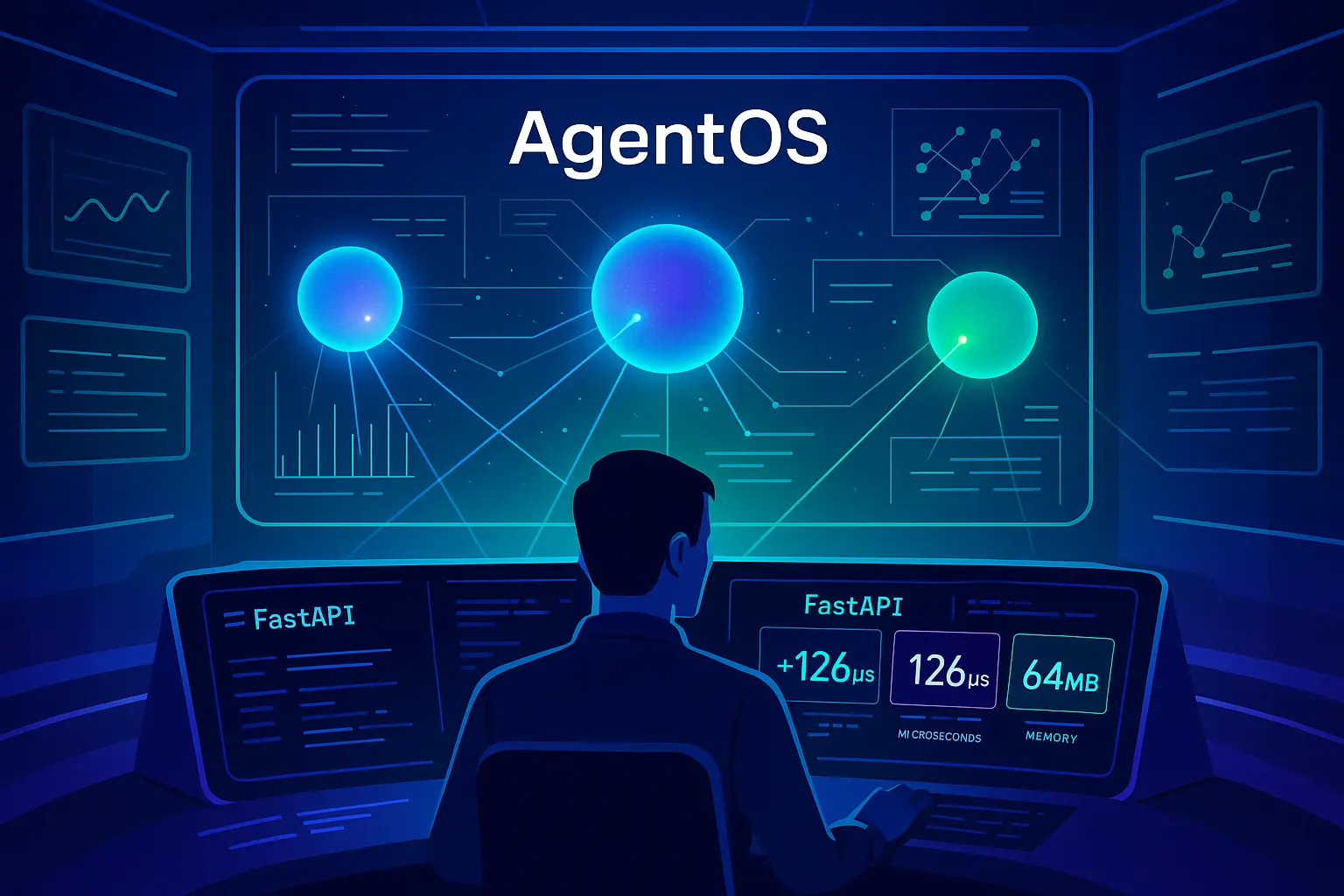
- The library’s AgentOS control plane, FastAPI server and near‑microsecond instantiation times have AI developers buzzing over real‑world viability and privacy features.
- Discussions on Reddit, TikTok explainer clips and GitHub issues highlight both the excitement around autonomous agent teams and the practical challenges of debugging such systems.
In a week packed with new models and flashy demos, it’s a backend framework that stole the spotlight: Agno, a high‑performance runtime for building and managing multi‑agent systems. The project’s GitHub stars doubled overnight, Reddit’s r/Artificial and r/MachineLearning saw threads praising its speed, and a TikTok influencer showed Agno agents fetching and summarizing Hacker News stories on her phone. At a moment when AI agents are moving from research labs into products, Agno has struck a nerve.
What Agno is and why it matters
Agno’s pitch is simple yet ambitious: it provides a foundation for autonomous agent teams. You can compose agents with memory, knowledge databases and human‑in‑the‑loop interventions. Agents can call each other, share context, and coordinate tasks. The runtime supports both “step‑based” workflows, where a user reviews each action, and fully autonomous “team” modes, where agents collaborate to achieve goals.
Under the hood, Agno offers blazing performance: instantiation takes roughly 3 microseconds, and each agent uses about 6.5 KiB of memory. The framework is written in Rust for core components, with Python bindings for developer ergonomics. This balance means agents spin up quickly and can scale to thousands of concurrent tasks without hogging resources. In an era of agentic workloads, such efficiency is not just nice — it’s essential.
AgentOS: a control plane for agents
A major selling point is AgentOS, a pre‑built FastAPI server included with Agno. It acts as a control plane: you can start, stop and inspect agents via HTTP calls, test them in isolation, monitor memory usage and step through their plans. This interface makes multi‑agent systems accessible to teams without deep distributed systems expertise. AgentOS runs in your own cloud or on‑prem, ensuring that sensitive data and model calls stay within your environment.
The privacy angle resonates. Most agent frameworks rely on external orchestrators or cloud backends. Agno’s local deployment avoids sending instructions or memory contents to third‑party services. This matters for industries like healthcare or finance, where data compliance is non‑negotiable. It also fits the growing demand for self‑hosted AI solutions.
What makes Agno buzzworthy
The excitement stems from seeing real multi‑agent systems do useful work. In one widely shared GitHub gist, a developer used Agno to build a Hacker News summarization bot. The bot created an agent for fetching the top stories, another for summarizing articles using a Claude model, and a final agent to package summaries into a Slack post. The code was short, and the agents coordinated seamlessly. A TikTok clip of this workflow went viral, captioned “I built a newsroom in 10 lines of code!”
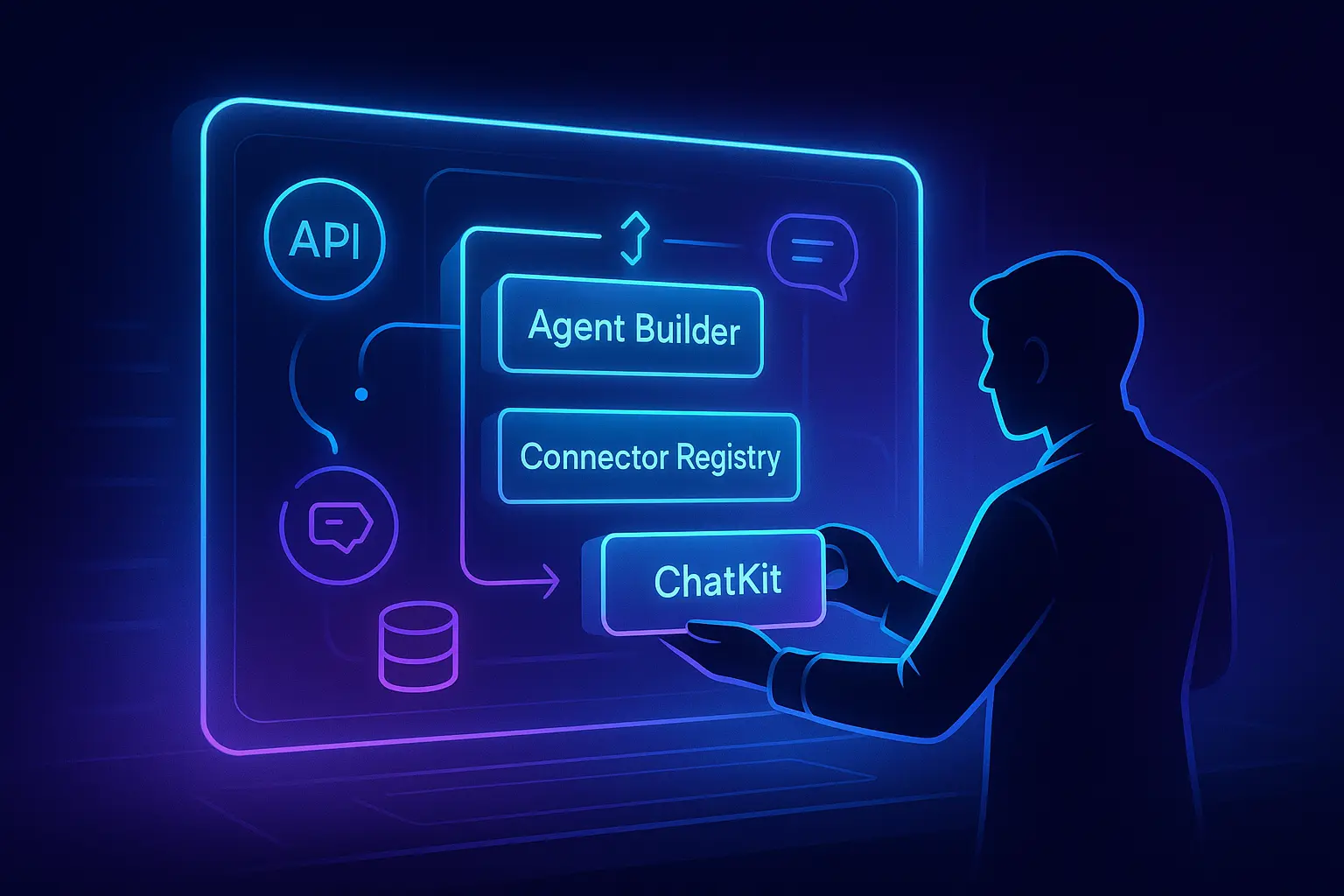
Agno also supports the Model Context Protocol (MCP), meaning agents can call external tools via the MCP registry. This unlocks capabilities like database queries, file system operations, web scraping and more. In other words, an Agno agent can read your Postgres database, call a search API and update a Jira ticket — all through standard interfaces. This interoperability is crucial for building real products.
Technical strengths and weaknesses
On paper, Agno’s numbers impress: microsecond startup times and kilobyte‑scale footprints. In practice, developers note that performance depends on how models are integrated. If you call a remote LLM, the agent still waits for network latency. But Agno’s efficient core ensures that overhead comes from the model, not the runtime.
The library includes memory and knowledge modules. Agents maintain local short‑term memory, summarizing context into key‑value pairs. They can fetch documents from a knowledge base and update memory after calls. A human‑in‑the‑loop function lets you pause an agent and ask a user for approval or additional instructions. These features are crucial for safety and allow teams to build systems that, say, draft an email and wait for sign‑off.
There are trade‑offs. Debugging a system of multiple agents can be tricky. GitHub issues reveal confusion about how to pass context across agents and how to catch exceptions. The community is actively building observability tools: dashboards that display agent interactions, logs of messages and call stacks. Some developers note the API surface is still evolving, meaning documentation can lag behind the code.
Ecosystem and community response
Agno’s core team is small but responsive. In the last day alone, they merged a pull request improving error messages and another adding support for the new Mistral model. Contributors from big cloud providers have added connectors for AWS Lambda and Google Cloud Functions. Meanwhile, independent developers are writing blog posts with titles like “I built a trading bot with Agno” and “Lessons from debugging multi‑agent systems.” A Discord server has sprung up for real‑time Q&A.
Not everyone is sold. Critics worry that multi‑agent hype outpaces reality. Agents can fail silently, get stuck in loops or hallucinate. Without rigorous evaluation, it’s hard to trust them with important tasks. Agno addresses some concerns with human checkpoints and memory inspection, but open problems remain. The maintainers acknowledge the need for more formal testing frameworks and best practices.
The broader context
Agno’s rise underscores a trend: the AI community is shifting from building bigger models to building better orchestrations. The market is flooded with agent frameworks—LangChain, Swell, LLM Runner, to name a few. Agno stands out for its focus on performance, privacy and developer ergonomics. Its success could push competitors to improve efficiency and transparency. And for developers exploring adjacent tools, projects like Kilo Code show how open-source coding agents are evolving in parallel, extending the agentic ecosystem into practical software engineering workflows.