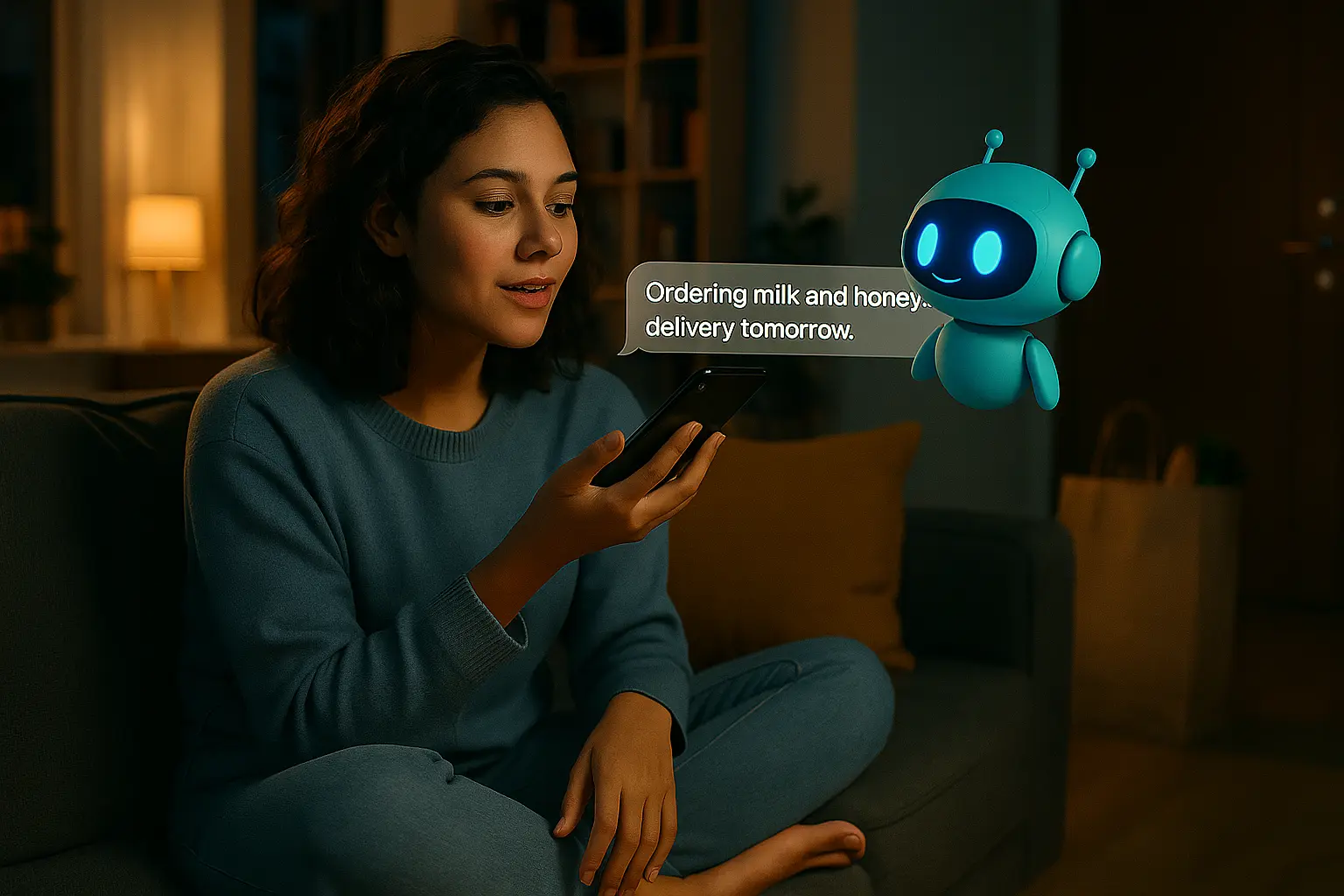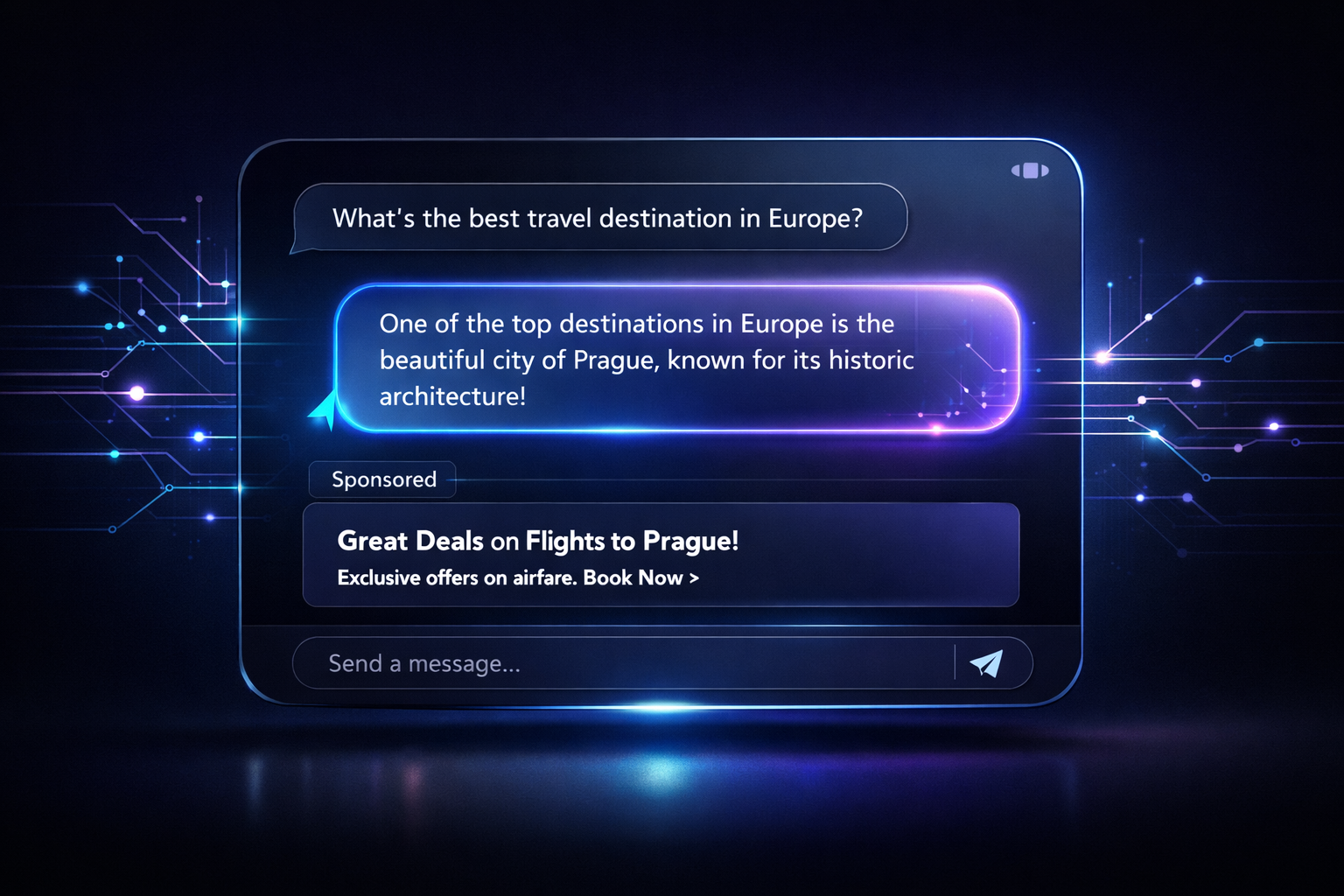
- OpenAI introduced a cheaper ChatGPT Go tier and began testing advertisements in the U.S. for free and Go users. The ads appear as clearly‑labelled boxes at the bottom of replies, and minors or sensitive topics are off‑limits.
- As generative AI usage skyrockets, the costs of running large models outpace subscription revenue. Opening the door to ads gives OpenAI a way to subsidize usage while keeping premium tiers ad‑free.
- Early reactions suggest both relief and resentment: some see ads as a fair trade‑off for affordability, while others fear the creep of commercialization. How users respond will determine whether ads become a permanent fixture or a temporary test.
Introduction
The familiar click of sending a prompt to ChatGPT now comes with something new – a small, labelled advertisement nestled beneath the answer. “Did I just see an ad in ChatGPT?” wrote a startled user in a viral Reddit thread, capturing the surprise many felt when OpenAI quietly rolled out its first advertising test to free and newly introduced Go users. ChatGPT ads now defines one of the biggest shifts in the generative AI landscape since the platform’s debut: the company is experimenting with a business model that goes beyond subscriptions.
In mid‑January 2026, OpenAI announced two intertwined changes. First, it launched ChatGPT Go, an $8‑per‑month plan that sits between the free tier and the $20‑per‑month Plus subscription. Go offers faster responses than free accounts and early access to some advanced models but omits the guaranteed high‑priority access and image creation tools reserved for Plus and Enterprise clients. Second, OpenAI began testing advertisements in the United States for both free and Go users. For the first time, some ChatGPT answers include a small box below them promoting a relevant product or service.
What’s New
OpenAI’s blog post outlined several guardrails meant to reassure users. According to the company, ads will not influence ChatGPT’s answers, and the models are kept separate from the advertising system. To prevent misuse, ads won’t appear in chats about sensitive topics such as politics, mental health or medical advice, and anyone under 18 is excluded entirely. The ads are context‑sensitive, meaning a conversation about cooking might display a kitchen gadget promotion while a conversation about travel could highlight a flight deal. OpenAI also pledged not to sell user data to advertisers and said personalization is optional – users can opt out of targeted ads or dismiss any ad they see.
In addition to the new advertising model, ChatGPT Go adds a mid‑tier that many users had been requesting. It offers faster response times than the free plan and uses advanced models during off‑peak hours. However, unlike Plus, Go doesn’t guarantee access to the latest GPT‑4 model during high‑traffic periods and lacks image generation tools. The new pricing structure means users have three options: free (with ads), Go ($8/month with ads), and Plus ($20/month without ads). Enterprise clients continue to negotiate bespoke deals.
Here’s a quick comparison of the plans:
| Plan | Monthly Price | Ads Included | Key Features |
|---|---|---|---|
| Free | $0 | Yes (tested in U.S.) | Basic access to GPT‑4, slower response times, no guaranteed model availability |
| Go | $8 | Yes | Faster responses, early access to new features, no image tools |
| Plus | $20 | No | Priority access to GPT‑4, DALL‑E image creation, no ads |
The company says paid plans – Go, Plus and Enterprise – will remain ad‑free outside of the current test in the U.S., reassuring subscribers who worry about being inundated with promotions. The new $8 tier is also available globally, including India, which means users in countries like the reader’s home base of Nashik, Maharashtra can subscribe without waiting for local rollout.
Visualizing the buzz
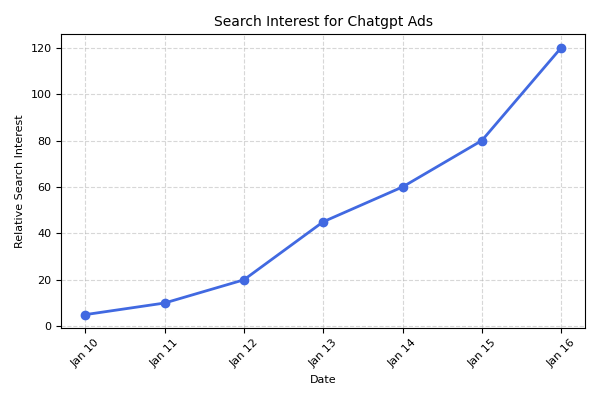
Interest in ChatGPT ads spiked rapidly after the announcement. Searches for “ChatGPT ads” grew more than 200% in the days following the January 15 update, according to Google Trends. The spike was most pronounced in the United States and India, reflecting both countries’ large user bases and intense curiosity about monetizing AI services. The chart below illustrates the rising search interest over the week leading up to the launch:
Business Model & Market Fit
Behind the scenes, ads and the Go tier are about sustainable economics. Running state‑of‑the‑art language models is expensive. Analysts estimate that each free query costs OpenAI fractions of a cent, but the sheer volume of tens of millions of daily users adds up to hundreds of millions of dollars annually. An internal memo leaked late last year suggested that the company faced token costs “in the tens of millions per month,” pushing executives to explore revenue streams beyond subscriptions. Sam Altman, OpenAI’s CEO, noted on X that the firm has reached a $20 billion annualized revenue run rate but must invest heavily in training infrastructure and safety research. “A lot of people want to use a lot of AI and don’t want to pay, so we are hopeful a business model like this can work,” he wrote.
Advertising gives OpenAI access to enormous consumer marketing budgets. Unlike subscription revenue, which scales linearly with paying users, ad revenue can grow with the total number of impressions served. It also offers a path to subsidize usage in regions where people cannot afford subscriptions. At the same time, introducing advertising carries reputational risk. The company’s stated mission is to ensure that artificial general intelligence benefits all of humanity; critics worry that relying on ad revenue could subtly shift priorities toward keeping users engaged rather than developing the safest models possible. These rising infrastructure and operating costs are not unique to consumer chatbots and are becoming more pronounced as companies deploy autonomous systems at scale, a challenge explored further in multi-agent AI trends shaping 2026.
Developer & User Impact
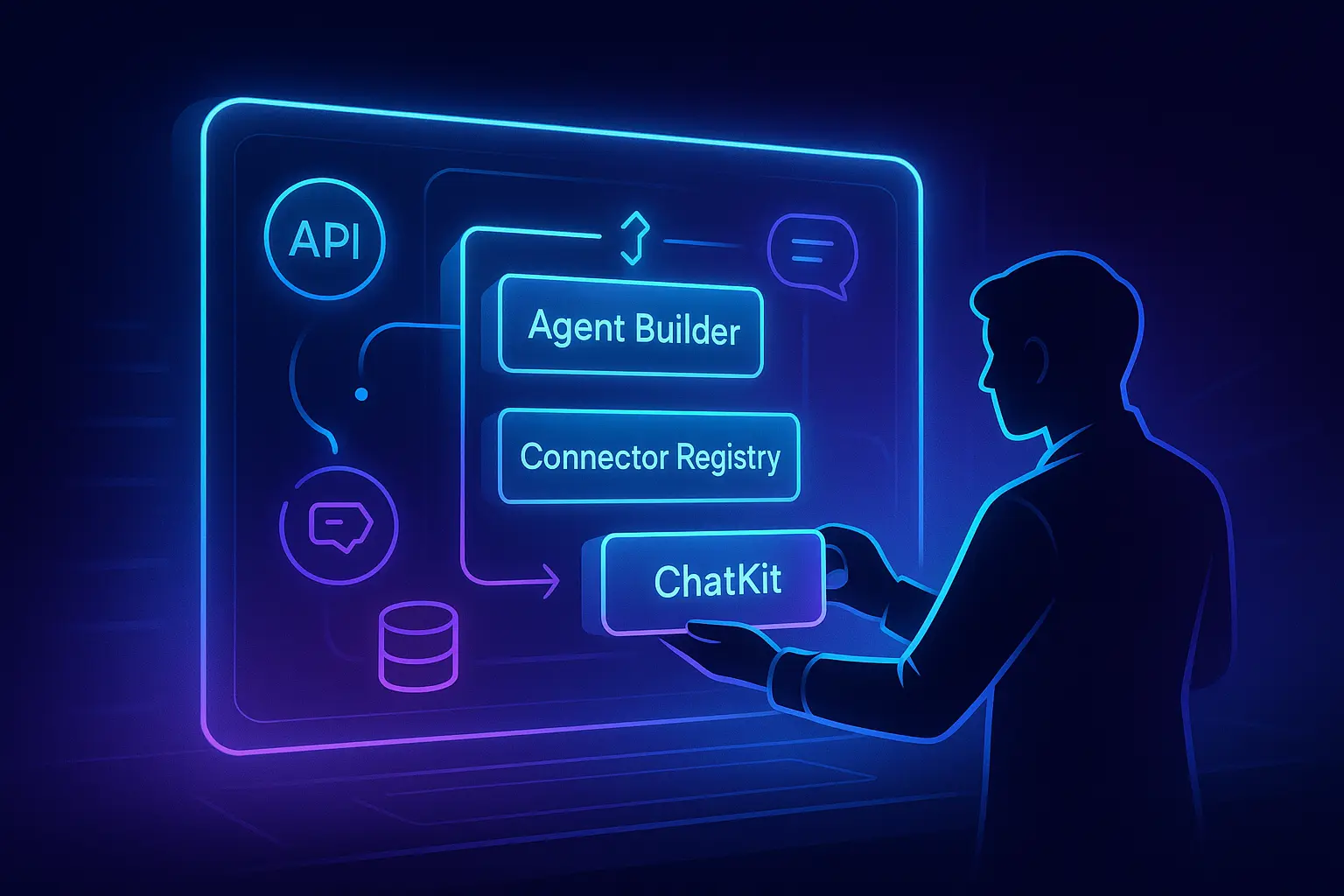
For developers, the introduction of ads and the Go tier raises questions about API pricing and ecosystem incentives. Many builders worry that free ChatGPT conversations with ads might reduce the need for paid API integrations, pushing them to differentiate their products. On the other hand, advertising could create new revenue opportunities: developers could pay to promote their bots or apps directly inside ChatGPT. More immediately, the Go tier makes advanced models accessible at a lower price, which may encourage experimentation among independent developers and students.
Users’ reactions are mixed. Some appreciate the lower cost of entry. Others see the move as a betrayal of the platform’s “clean” ethos. “If I want targeted ads, I’ll go to social media – not my AI assistant,” one Hacker News commenter wrote. A Reddit post that went viral captured the frustration:
The comment reflects a common worry: that ads will compromise the feeling of direct, unmediated interaction with ChatGPT. Many users turned to the chatbot precisely because it felt free of the clutter and manipulation common on social platforms. While the ads are clearly labelled and easy to dismiss, the psychological shift toward being “marketed to” may change how people talk to AI.

Comparisons
OpenAI is not the only firm exploring ads in AI chat interfaces. Google’s Gemini models are integrated into the new Trends Explore page with a panel that suggests comparisons and prompts, effectively pushing search queries into Google’s ad ecosystem. Microsoft’s Copilot is backed by the company’s massive advertising network, though it has so far avoided placing ads in chat results. By introducing a mid‑tier, OpenAI also echoes streaming platforms: there’s now a free tier with ads, a mid‑tier with some restrictions, and a premium tier without ads. This tiered approach may become the norm as generative AI goes mainstream, mirroring trends in the creator economy where tools like generative AI tools for YouTube Shorts are helping creators balance scale, speed, and monetization.
Community & Expert Reactions
Industry watchers have weighed in on what the move means. Digital advertising veteran Jia Hamid noted that OpenAI is following the playbook of Google and Meta, but added that ads in conversational AI must be subtle: “Trust is fragile in chat experiences, and if ads feel intrusive, users will leave.” On the other hand, some analysts see the development as inevitable. “The old social media model was always going to come for chatbots,” said a marketing professor interviewed by AllAboutArtificial, referencing an earlier article on monetizing AI assistants. Even within OpenAI, there is debate: some employees worry that ad targeting could inadvertently expose sensitive user data if not carefully siloed.
Risks & Challenges
Introducing ads carries several risks:
-
User trust – Ads may erode the perception of ChatGPT as a neutral assistant. Even if ads do not influence answers, the perception of potential bias could discourage use.
-
Privacy concerns – Although OpenAI pledges not to sell data, advertisers will still rely on some level of targeting. There is a fine line between contextual relevance and personal intrusion.
-
Regulatory scrutiny – As AI becomes central to information consumption, regulators may treat ads in AI chat like search advertising, imposing stricter rules. New privacy laws in India and the EU could complicate targeting and data collection.
-
Competition pressure – If ads significantly degrade the user experience, rival platforms like Anthropic’s Claude or Mistral’s open‑source models could gain share by remaining ad‑free.
What’s Next
OpenAI has not committed to making ads permanent. Executives describe the current rollout as an experiment to test user tolerance and advertiser demand. If early feedback is positive, the program could expand to more countries and verticals. Future iterations might include sponsored bots, interactive product demos inside chats, or revenue‑sharing arrangements with developers who allow ads in their plug‑ins. Conversely, a negative reaction could push OpenAI to scale back or restrict ads to the Go tier.
Another variable is the broader economic environment. As venture funding cools and competition heats up, generative AI providers must generate cash to fund the next generation of models. The success or failure of ads in ChatGPT will influence whether other companies follow suit. Regardless of the outcome, the experiment underscores the challenge of financing large‑scale AI: even the world’s leading research labs need to pay their bills.
Final Thoughts
It’s easy to view the introduction of ads in ChatGPT as a capitulation to commercial pressures. But a more charitable reading is that OpenAI is searching for a sustainable model that keeps advanced AI accessible. Early tests show that ads can be implemented without derailing the experience for most users. Whether that balance holds as advertisers flood in remains to be seen. As one analyst put it, “It’s not the ad itself that matters – it’s how quietly it changes the rules.”