- New AI demo lets anyone generate adorable nano figurines using text prompts
- TikTok creators and Reddit threads explode with miniature 3D artworks
- Trend raises questions about copyright, monetization and responsible deployment
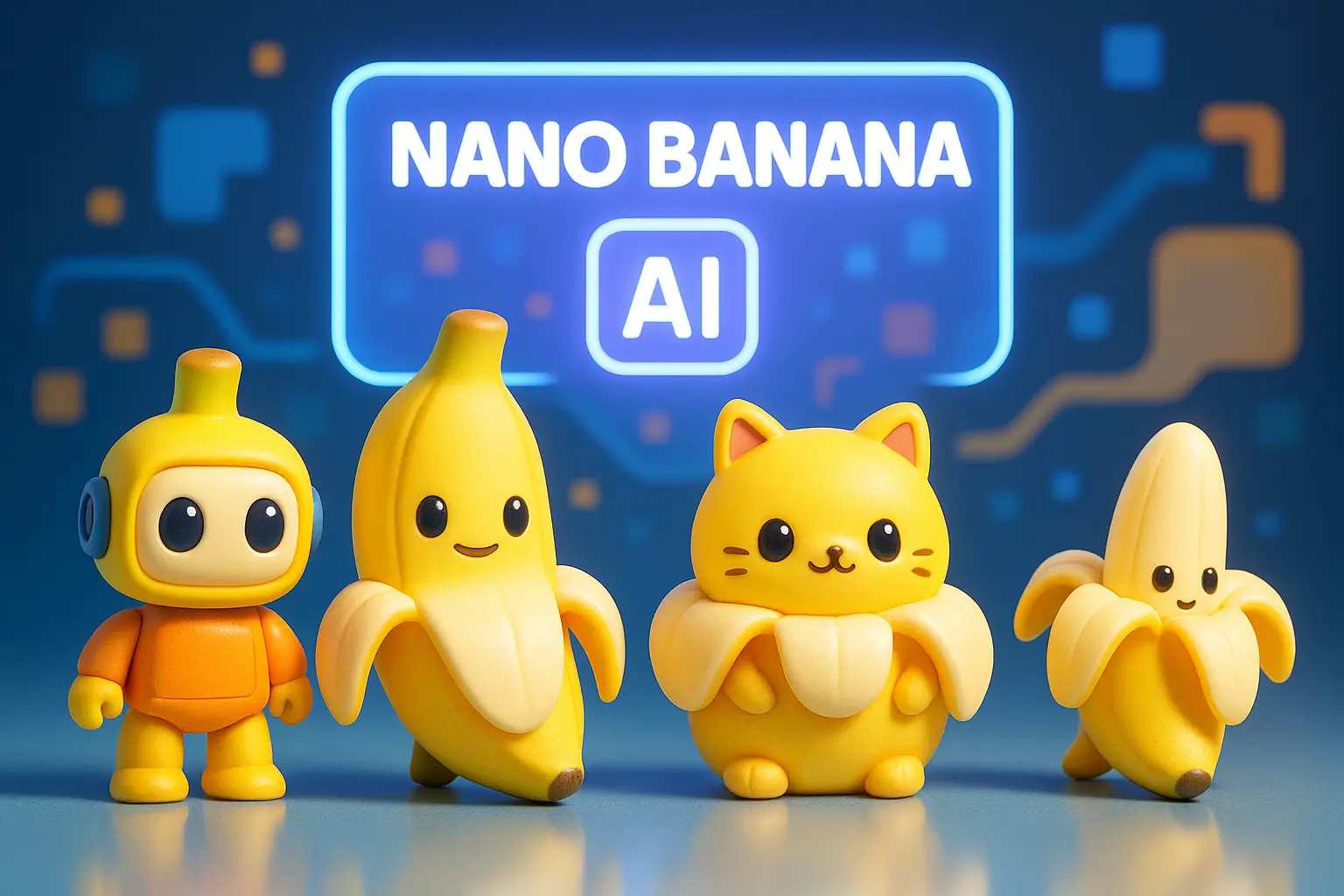
Nano Banana sounds like a quirky fruit snack, but in the AI world it’s the name of a viral trend turning Gemini’s visual model into a playful toy factory. Over the past day, thousands of users on TikTok, YouTube Shorts and Reddit have shared videos of tiny, detailed 3D characters created by a demo nicknamed “Nano Banana AI.” By feeding text descriptions into the system, they produce figurines that look like polished collectibles, each rendered in a style reminiscent of resin miniatures and assembled in seconds. The phenomenon has captured imaginations and sparked a fresh round of debate about generative AI and art.
What happened
The Nano Banana trend began when Google’s Gemini team quietly released a prompt template encouraging users to ask the model to “create a Nano Banana” version of any character. Users quickly discovered that by describing a subject as a “Nano Banana figurine,” Gemini’s image model applied a consistent aesthetic: rounded features, smooth textures, bright colors and a polished shine. People started generating tiny versions of celebrities, video game heroes, pets and even themselves. The results looked like 3D printed collectibles or chibi figurines you might find in a vending machine.
On TikTok, creators filmed the prompt and reaction process, then shared step‑by‑step guides on how to refine the outputs: adding lighting cues (“soft diffused light”), specifying materials (“polymer clay style”) and experimenting with art modes (“eight bit display” or “holographic effect”). The most popular clips show users holding their phones up to the screen, narrating their delight as a miniature astronaut or anime character materializes in under ten seconds. Reddit threads in r/StableDiffusion and r/PromptDesign dissected the prompt engineering behind the trend, with commenters reverse-engineering the syntax needed to achieve certain textures and poses. For readers who want to try it themselves, we’ve put together a full step-by-step guide on using Nano Banana that walks you through prompt templates and tips for the best results.
What pushed the meme into the spotlight was its approachable nature. Unlike complex prompt systems or advanced 3D modeling tools, the Nano Banana craze required no coding or domain knowledge. People simply typed or pasted a template into an AI chat window and waited. Google’s official social accounts even shared variations, encouraging people to create a “pixel art mode” or “futuristic hologram.” This sense of low‑barrier experimentation fuelled a cascade of user‑generated content.
Why it matters
The Nano Banana trend highlights the growing accessibility of generative AI. In a matter of hours, a playful prompt went from an internal demo to a global creative activity. The sheer volume of outputs underscores how text‑to‑image models can empower people to make art for fun, not just for professional work. The uniform aesthetic also hints at an emerging visual language: communities coalesce around shared styles, much like fan art or sneaker customization. This raises interesting questions for artists and brands. Should creators view such trends as an invitation to play, a tool to expand their repertoire, or a threat to original character designs?
The trend also surfaces deeper ethical concerns. Many of the generated figurines depict copyrighted characters. While some view the outputs as harmless fan art, others worry about mass replication of protected designs without permission. Questions of ownership, credit and monetization loom large: if you generate a Nano Banana version of a famous character, can you sell it as a 3D print? Does Google bear responsibility if users create unlicensed merchandise? There is also the issue of training data. The stylization suggests that Gemini learned from a large corpus of toy photography and collectible art; whether those artists consented to such use remains unclear.
Community reaction
Social platforms have been awash in Nano Banana creations. On X, the hashtag #NanoBanana trended as users posted side‑by‑side comparisons of the AI figurines and their real‑world inspirations. TikTok videos racked up hundreds of thousands of views within hours, with comment sections filled with requests (“Can you do a wizard?”) and suggestions (“Try making your pets!”). Reddit’s r/Artificial community debated whether the trend trivialized AI by reducing it to a toy generator; some argued that accessible fun is a great way to onboard new users, while others feared it would distract from serious applications.
Artists were split. Some professional illustrators embraced the trend, sharing Nano Banana versions of their original characters and laughing at the results. Others expressed unease that a corporate model could churn out endless derivatives of their work without compensation. A few posted side‑by‑side comparisons of their existing sculptures and the AI outputs, challenging followers to spot the difference. The debate echoes broader tensions in generative art: how to balance experimentation, fair use and respect for creators.
Responsible use and future directions
Google has responded to the wave of interest by publishing guidelines, reminding users that outputs should not be sold commercially and encouraging people to experiment respectfully. The company also shared alternative prompt modes, such as a “holographic projection” style and a “pixelated old‑school game” aesthetic, nudging the trend toward broader experimentation. Some educators are using the meme to teach prompt engineering, asking students to adapt the template to create educational figurines representing historical figures or science concepts.
As generative models improve, we can expect more micro‑trends like Nano Banana. Each one tests the boundaries of ownership, creativity and community norms. Long‑term, the ability to spin up bespoke 3D assets on demand could disrupt toy manufacturing, merchandising and crowdfunding; fans might design and print their own collectibles without waiting for official licenses. For now, the Nano Banana craze stands as a vivid reminder that creativity often emerges from playful hacking, and that the tools we build can take on lives of their own.
What’s next
The meme’s lifecycle is inevitably limited, but its impact could echo in new features and policies. Fans are clamoring for an official “Nano Banana generator” that lets them tweak poses and materials more precisely. Independent developers have already started building scripts that automatically generate dozens of figurines from a list of characters, which could flood social feeds. Meanwhile, artists and legal experts are likely to keep scrutinizing the use of proprietary characters. Whether the craze leads to licensing reforms or inspires new collaboration models remains to be seen.